Soft landscaping in Chelsea
If you are looking for soft landscaping in Chelsea, you are likely looking for more than a neat finish. You want a planted space that feels considered, suits the character of your property, and works with the realities of city living. In Chelsea, gardens, courtyards, roof terraces, communal spaces, and commercial frontage all need a practical approach as well as a stylish one. A well-planned soft landscape can soften hard architecture, create privacy, improve usability, and bring colour and texture into spaces that may otherwise feel limited by paving, walls, or restricted access.
Chelsea has a distinctive mix of period townhouses, apartment buildings, mews properties, modern developments, and business premises. That variety means no two planting projects are the same. Some spaces are compact and highly exposed. Others are shaded by adjoining buildings or trees. Some have little room for storage, awkward access, or limited vehicle parking. A local team that understands these realities can help you make better decisions about plant choice, soil condition, maintenance needs, and the best way to carry out the work with minimal disruption.
Whether you are refreshing a private courtyard, improving a front garden, upgrading a shared resident space, or giving a commercial property a smarter first impression, soft landscaping in Chelsea can transform the feel of the area without relying on heavy construction. The right planting scheme can add seasonal interest, improve boundaries, support biodiversity, and make the space easier to enjoy throughout the year. If you are planning a change and want a practical, attractive result, request a free quote and start shaping the space around the way you actually use it.
Why soft landscaping matters in Chelsea

Soft landscaping refers to the living elements of a garden or planted space: soil preparation, turfing, planting beds, shrubs, trees, hedges, climbers, perennials, bulbs, and often mulching and ongoing care. In Chelsea, these elements matter because outdoor space is often at a premium. A small courtyard can become a calm retreat. A terrace can feel more private. A communal entrance can feel more welcoming. Even a narrow side return can become a useful planted strip that improves the overall setting of a property.
Local conditions also play a big role. Chelsea properties often face a mix of shade, reflected heat, wind tunnels between buildings, and competition from nearby walls or mature planting. Soil may be compacted, shallow, or poor in quality, especially where older gardens have been altered over time. A thoughtful soft landscaping plan takes these factors into account so that planting has a better chance of thriving rather than simply looking good for a few weeks.
Many Chelsea customers also want planting that feels appropriate to the setting. Some prefer a traditional look with layered borders, clipped hedging, and seasonal colour. Others want a cleaner, contemporary feel with architectural plants, restrained colour palettes, and low-maintenance ground cover. A skilled local landscaper can work with either style and create a scheme that feels right for the property, not copied from somewhere else.
What our soft landscaping service can include
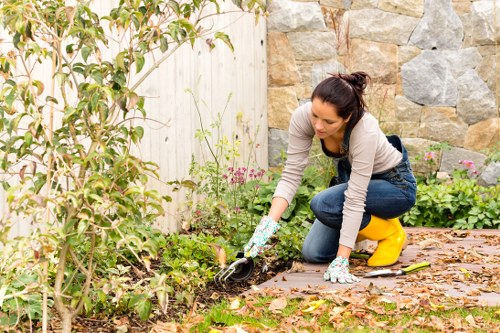
Soft landscaping can be tailored to suit the scale and condition of your property. For some projects, that means a full planting redesign. For others, it may be a selective refresh of tired beds, replacement of failed plants, or a seasonal update to bring the space back to life. The aim is to deliver something attractive, balanced, and realistic to maintain.
Typical services may include:
- Soil improvement and bed preparation
- Planting design and plant selection
- Installation of shrubs, perennials, climbers, and trees
- Turf laying or lawn renovation
- Hedge planting and boundary softening
- Mulching and decorative finishing
- Planter and container planting for terraces and paved areas
- Seasonal replanting and refreshes
- Ongoing maintenance planning
We can also help with courtyard garden planting, front garden improvements, and planting for communal or commercial environments. Many Chelsea clients want a space that looks polished without needing excessive attention. In those cases, drought-tolerant, shade-tolerant, or slow-growing plants may be recommended, depending on the conditions and the level of maintenance you want to take on afterwards.
Soft landscaping for Chelsea homes and properties

Chelsea is home to a wide range of property styles, and that affects how soft landscaping should be designed. A classic townhouse garden may benefit from layered planting, structured borders, and climbers that soften brickwork and fencing. A basement courtyard may need shade-tolerant planting and careful drainage planning. A roof terrace may call for containers, lightweight growing media, and more sheltered plant selections. A mews property may need smart use of a limited footprint to make the garden feel larger and greener.
Residential clients often ask for a space that is both beautiful and usable. That might mean a garden suitable for entertaining, a child-friendly lawn area, a planted space with privacy from neighbouring windows, or a quiet corner for morning coffee. Soft landscaping helps shape how the space feels, but it also affects how practical it is. The right layout can improve circulation, create focal points, and make a small outdoor area feel much more finished.
Commercial customers in Chelsea may be looking for smart planting for office entrances, hospitality venues, retail fronts, communal courtyards, or managed developments. In those settings, the planting has to support the appearance of the property, but also stand up to regular use, changing weather, and often a fairly strict maintenance schedule. Choosing the right plants and finishes from the outset can save time and keep the space looking presentable for longer.
What happens during a soft landscaping project?

A professional soft landscaping project usually begins with a site visit and a discussion about how you want the space to look and function. In Chelsea, that initial assessment is especially important because access, light levels, drainage, and existing planting can vary sharply from one property to the next. A good plan should be shaped by the site rather than by assumptions.
The process often includes:
- Initial assessment – reviewing the space, access points, planting conditions, and your preferences.
- Planning and selection – deciding what to keep, remove, rework, or add.
- Ground preparation – clearing unwanted growth, improving soil, and preparing beds or planters.
- Installation – planting, turfing, edging, mulching, and final shaping.
- Finishing and care advice – explaining how to water, feed, and maintain the new planting.
Depending on the site, there may also be work to improve drainage, install irrigation support, or manage root competition from existing trees and surrounding vegetation. For Chelsea properties with limited access, project planning matters just as much as the planting itself. Carrying materials through tight side passages, shared entrances, or upper-level terraces requires care and coordination. A local team familiar with these challenges can keep disruption to a minimum and work efficiently around the property.
Plants and materials that often work well

Plant selection is one of the biggest factors in whether a scheme succeeds. In Chelsea, some sites receive strong afternoon sun, while others remain shaded for much of the day. Some gardens are protected and calm; others are open to wind. The best results usually come from choosing plants that suit both the character of the property and the actual growing conditions.
Popular choices may include:
- Evergreen shrubs for structure and year-round interest
- Climbers to add height and soften walls, trellises, and fences
- Herbaceous perennials for seasonal colour and movement
- Ornamental grasses for texture and a more modern look
- Hedging plants for privacy and boundary definition
- Shade-loving plants for enclosed courtyards and north-facing spaces
- Container plants for terraces, balconies, and paved areas
Materials matter too. Good-quality topsoil, compost, mulch, and planting support products all contribute to the long-term health of the scheme. Where a space needs a particularly polished finish, carefully chosen edging, gravel, or bark can help define planting zones and keep everything looking tidy. In soft landscaping in Chelsea, detail makes a real difference, especially where the outdoor area is visible from living spaces or public-facing entrances.
Why a local Chelsea company is useful
Working with a local company brings practical benefits that are easy to overlook until the project starts. Chelsea is not always straightforward for access, parking, deliveries, or waste removal. Streets can be busy, space can be tight, and many properties have shared entrances or limited loading options. A local team is more likely to plan around those realities from the beginning rather than treating them as a surprise.
There is also the benefit of local knowledge. A contractor familiar with Chelsea and nearby areas such as South Kensington, Knightsbridge, Belgravia, Earl's Court, and Pimlico will be used to working in similar environments. That matters when you need planting that suits mature residential streets, garden squares, mews locations, or commercial frontages. It also helps with choosing species that cope better with the local microclimate, shade patterns, and urban conditions.
Another advantage is flexibility. Local teams can often respond more easily to site constraints, phased work, or follow-up maintenance. For customers who want a planting project completed with as little disruption as possible, that can make the whole experience smoother. If you are comparing providers, it is worth asking how they handle access, materials, plant sourcing, and aftercare in a busy central London setting.
How to prepare for your project
Good preparation helps the project move faster and makes it easier to achieve the result you want. You do not need to know every plant or material in advance, but it helps to have a sense of how you want to use the space and what matters most to you. Some customers want low maintenance. Others want seasonal colour. Some want more privacy. Others want to improve curb appeal or create a calm entertaining area.
A helpful preparation checklist includes:
- Thinking about how the space is used now and how you want it to function
- Noting any problem areas such as shade, waterlogging, poor soil, or exposed corners
- Deciding whether you want new planting, a refresh, or a full redesign
- Identifying plants or styles you already like or dislike
- Considering how much maintenance you want to do afterwards
- Checking access points, storage space, and any building management requirements
If the project is for a flat, managed building, or commercial property, it can also help to confirm who approves the work and whether there are any timing restrictions. In busy parts of Chelsea, this can prevent delays and make it easier to plan deliveries, labour, and disposal efficiently. Book your service now if you are ready to move forward, or request a quote if you are still comparing options.
Pricing factors for soft landscaping in Chelsea
It is not usually sensible to discuss soft landscaping as a one-size-fits-all service, because the cost depends on the space, the materials, and the amount of labour involved. Chelsea properties often have a number of site-specific factors that can influence the scope of work. That is why a proper quote is usually based on an assessment rather than a rough guess.
Common pricing factors include:
- Size and layout of the area
- Condition of the existing soil and planting
- Access for carrying materials in and out
- Need for waste removal or site clearance
- Choice of plants, turf, soil, and finishing materials
- Whether irrigation, drainage, or support systems are needed
- Level of design input required
- Whether the project is a one-off installation or part of ongoing maintenance
For small Chelsea courtyards or roof terraces, costs can be affected less by area size and more by access, finish quality, and the need for specialist planting conditions. Larger gardens may involve more soil work, more planting quantities, and more time to complete. If you want a space that looks established from the beginning, more mature planting may also influence the project scope. A clear conversation at the start usually leads to a more accurate and useful quotation.
Maintenance after planting
Soft landscaping does not end when the plants go in. In many cases, the first few months are the most important, especially if the space has recently been reworked or if the site conditions are challenging. New planting needs the right water levels, some monitoring, and time to establish. This is especially true in Chelsea where terraces, enclosed gardens, and built-up spaces can heat up quickly in summer or dry out unexpectedly in sheltered spots.
Aftercare may involve:
- Regular watering, especially for new plantings and containers
- Deadheading or light pruning to encourage healthy growth
- Feeding where appropriate
- Weed control and bed topping up
- Checking ties, supports, and staking for young trees or climbers
- Seasonal adjustments to keep the display looking balanced
If you want the planting to stay at its best without becoming a chore, it can be worth planning maintenance from the outset. Some customers prefer a low-input scheme with hardy plants and simple structure. Others want more seasonal interest and are happy to have a regular maintenance schedule. Either approach can work well if it matches the site and the amount of care available.
Areas covered around Chelsea
Soft landscaping services in Chelsea often extend into the surrounding neighbourhoods where similar property types and access conditions are common. This includes nearby residential and commercial locations such as South Kensington, Knightsbridge, Belgravia, Earl's Court, Pimlico, Fulham, Battersea, and Westminster. Many clients in these areas face the same types of outdoor space challenges: limited access, compact gardens, courtyards, roof terraces, shared entrances, and mixed levels of sunlight.
Because many local properties are closely built together, the ability to work neatly and respectfully is important. That includes protecting existing surfaces, managing materials carefully, keeping disturbance to a minimum, and planning for practical realities like parking and deliveries. A team that works regularly in central and west London is more likely to be organised in exactly that way.
If your property sits near the boundary of Chelsea and one of the adjacent districts, it is still worth enquiring. Many soft landscaping projects are less about a postcode and more about the conditions on site, the style you want, and the level of service you need. Contact us today to discuss your property and see how the space could be improved.
Frequently asked questions
Can you help with both small and larger spaces?
Yes. Soft landscaping can be scaled to suit compact courtyards, medium-sized gardens, roof terraces, and larger residential or commercial sites. The approach changes depending on the space, but the aim is always to create a planted area that works properly and looks good.
Do you work with low-maintenance planting schemes?
Absolutely. Many Chelsea customers want planting that is attractive but manageable. That might mean evergreen structure, hardy perennials, drought-tolerant species, or simple container arrangements that do not need constant attention.
Can you improve an existing planting area rather than starting again?
Yes. In many cases, the best results come from keeping the useful parts of a garden and refreshing the rest. That could involve replacing weak plants, improving soil, reshaping beds, or adding a new planting layer to improve the overall look.
What if access is difficult?
Limited access is common in Chelsea, and a local team should be prepared for it. That may mean carrying materials through side passages, working carefully around shared entrances, or planning deliveries around parking constraints. It is one of the reasons a local company is often a better choice.
Can you work on commercial or managed properties?
Yes. Soft landscaping can be carried out for commercial entrances, offices, hospitality spaces, and managed residential developments. These projects often need tidy scheduling, clear communication, and a planting scheme that looks professional with sensible maintenance requirements.
How soon should I book?
It is best to enquire as soon as you know you want the work done, especially if you are aiming for a particular season. Planting is often easier to schedule when conditions are suitable, and planning ahead can help secure the right materials and timing.
What makes a good Chelsea soft landscaping project?
A strong result is not just about choosing attractive plants. It is about creating a planted space that feels balanced, suits the property, and continues to work over time. In Chelsea, that usually means paying attention to scale, light, privacy, access, and maintenance. A great planting scheme should feel natural in the setting rather than forced into it.
Good projects tend to share a few qualities:
- Plant choices that match the real conditions on site
- Clear structure, so the space still looks good outside peak flowering periods
- Practical access and maintenance considerations built in from the start
- A finish that suits the property style, whether traditional or contemporary
- Materials and planting selected to age well rather than deteriorate quickly
For many local customers, the best outcome is a space that feels easier to use every day. That might be a front garden that improves the approach to the house, a courtyard that feels more private, or a terrace that feels calmer and more complete. Soft landscaping is often the detail that turns an outdoor area into a genuinely enjoyable part of the property.
Book soft landscaping in Chelsea
If you are planning a planting project and want a space that looks good, works properly, and suits the realities of your property, soft landscaping in Chelsea is a practical and rewarding investment. Whether you are updating a private garden, improving a terrace, or refreshing a commercial frontage, the right planting can make a noticeable difference to how the space feels and functions.
From the first discussion through to preparation, planting, and aftercare advice, a local service should make the process straightforward and tailored to your needs. If you are ready to take the next step, request a free quote or contact us today to discuss your project. Even if you are only at the early planning stage, it is worth having the space assessed so you can make informed decisions about what will work best.
Whether you want a subtle refresh or a more noticeable transformation, the right planting can bring out the best in your Chelsea property. Book your service now and start turning the outdoor area into something more welcoming, functional, and enjoyable.