Recycling and Sustainability for Landscaping Chelsea
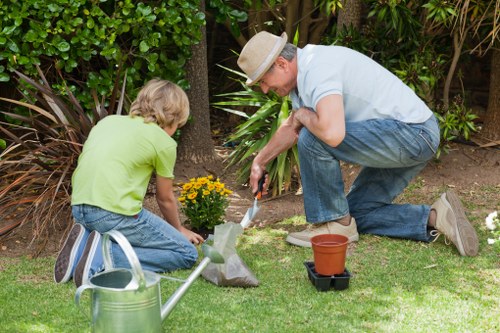 At Landscaping Chelsea, sustainability is built into every stage of our work, from the first site assessment to the final green sweep-up. We believe that landscaping in Chelsea should do more than transform gardens and outdoor spaces; it should also reduce waste, support circular habits, and contribute to a cleaner borough. Our approach places responsible recycling at the centre of day-to-day operations, helping us make practical choices that lower landfill use and improve material recovery.
One of our key goals is to achieve a 75% recycling percentage target across suitable green waste and construction-related materials. That means a large share of prunings, soil, wood, cardboard packaging, and metal offcuts is sorted for reuse or recycling rather than sent away as mixed waste. We track volumes carefully and look for opportunities to improve, because sustainable Chelsea landscaping relies on measurable progress rather than vague promises.
To support this, we use a combination of on-site segregation and carefully planned disposal routes. In practical terms, this includes separating green waste from inert material, collecting recyclable packaging in dedicated containers, and making sure reusable items are identified before they are treated as waste. Landscapers in Chelsea increasingly work within borough-wide expectations for cleaner waste separation, and we align with those standards by keeping materials sorted wherever possible.
 A major part of our recycling strategy involves using local transfer stations that can process separated loads efficiently. By choosing nearby facilities, we reduce unnecessary travel and help ensure that waste streams are handled with greater accountability. These stations are useful for timber, soil, rubble, metal, and green cuttings, allowing us to direct each material to the right recovery path. This is especially important in an area like Chelsea, where many projects generate varied waste types in relatively small but frequent quantities.
We also support the wider local economy by working with facilities and services that prioritise recycling and recovery over disposal. When possible, we seek routes that keep materials within the borough or nearby districts, making the process more efficient and lowering transport emissions. For recycling in Chelsea landscaping, that local focus matters because it helps reduce the environmental impact associated with long-distance haulage.
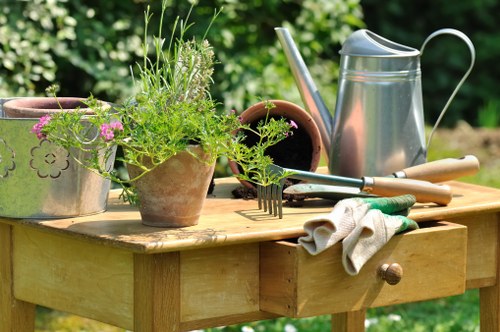 In addition, our teams are trained to identify items that can be recovered for future use. For example, quality stones, bricks, edging pieces, and some timber elements may be set aside for refurbishment or reuse in other projects. This kind of material recovery is especially relevant in garden landscaping in Chelsea, where site layouts can vary and bespoke features often create opportunities to repurpose materials creatively rather than discard them.
Partnerships with charities form another important part of our sustainability work. We support local organisations by donating suitable surplus materials, usable tools, garden items, and serviceable fixtures where appropriate. These partnerships help extend the life of products that would otherwise be wasted, while also benefiting community-led projects and charitable causes. In practice, this may include passing on clean containers, reclaimed timber, or decorative elements that can still be used in non-commercial settings.
We also explore ways to contribute to green community initiatives through donation of plant material, compostable matter, and recovered resources when they meet charity requirements. This approach reflects our belief that Chelsea landscaping services should have a positive social impact as well as an environmental one. By connecting sustainable practice with charitable reuse, we help create a more responsible cycle for materials that still have value.
Local boroughs, including the Royal Borough of Kensington and Chelsea, place increasing emphasis on waste separation and cleaner recycling habits. That broader civic direction supports our own standards on-site, where we aim to keep soil, green waste, packaging, and mixed debris apart as much as possible. The result is a more disciplined recycling process that fits the expectations of modern urban landscaping and supports better recovery outcomes.
 Transport is another area where sustainability matters. Our low-carbon vans are chosen to reduce emissions linked to site visits, material delivery, and waste collection. By using fuel-efficient or lower-emission vehicles where possible, we cut the carbon footprint of each project while still maintaining reliable service. This is especially important in Chelsea, where frequent journeys through busy streets can quickly add up in environmental cost.
We also plan routes carefully to reduce unnecessary mileage. Combining collections, coordinating deliveries, and scheduling jobs efficiently all help minimise fuel use. When paired with low-carbon vans, that planning supports a more sustainable model for Landscaping Chelsea operations. It also complements our recycling efforts, since fewer journeys are needed when loads are sorted properly and handled through suitable local facilities.
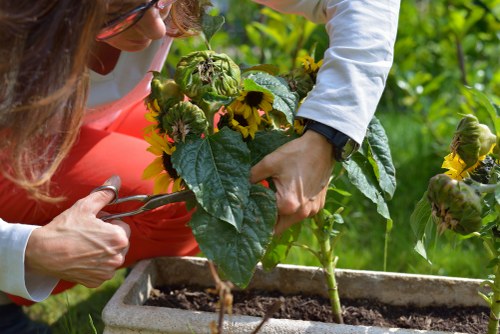 Looking ahead, our sustainability commitment is focused on continuous improvement. We want landscaping Chelsea projects to leave a lighter footprint, whether that means increasing the share of materials recycled, expanding charity partnerships, or adopting cleaner transport solutions. Every part of the process matters, from separating waste at the source to choosing the most responsible disposal and reuse routes.
By combining a clear recycling percentage target, local transfer station use, charity partnerships, and low-carbon vans, we create a practical sustainability model suited to Chelsea’s urban environment. The aim is simple: deliver attractive outdoor spaces while keeping resources in circulation for as long as possible. That is what modern Chelsea landscape maintenance should look like—thoughtful, efficient, and environmentally responsible.